
Fish oil is one of the most familiar supplements on the shelf, yet the words on the label can still feel surprisingly vague. "Omega-3," "EPA," "DHA," and "fish oil concentrate" are often used together, even though they do not mean the same thing. The current wellness conversation is becoming more specific: instead of asking whether fish oil is generally good or bad, people want to understand which omega-3s are present and how a supplement fits into a balanced routine.
This practical guide explains the difference between EPA and DHA, what to look for on a fish oil label, and how to make a thoughtful everyday choice. It is educational information, not a substitute for personal medical advice.
What are EPA and DHA?
EPA and DHA are long-chain omega-3 fatty acids that occur naturally in fish and other seafood. They are different from ALA, the plant-based omega-3 found in foods such as flaxseed, chia, and walnuts. ALA is still an important nutrient, but the body's conversion of ALA into EPA and DHA is limited. That is why seafood, fish oil, and algae-based products are commonly discussed when people want to add EPA and DHA to their routine.
Both EPA and DHA are part of the omega-3 family, but they are not interchangeable labels. DHA is a structural component found at high levels in the brain and retina, while EPA is often discussed in relation to the body's broader metabolic and signaling processes. The most useful takeaway is not to look for a magic ratio. It is to recognize that a quality label should tell you how much EPA and DHA you are actually getting, rather than only listing a large total amount of fish oil.
Why the EPA vs DHA conversation matters
Interest in omega-3s remains strong, but recent nutrition research is putting more attention on formulation, absorption, and the specific EPA and DHA amounts delivered by a serving. That is a positive shift away from one-size-fits-all wellness marketing. A product can say "1000 mg fish oil," for example, while the EPA and DHA values are the numbers that make the formula easier to compare.
Food still comes first. Salmon, sardines, mackerel, herring, and other seafood can contribute omega-3s as part of an overall eating pattern. A fish oil supplement can be a practical option for people who do not regularly eat seafood, who travel often, or who simply prefer a convenient routine. It should support, not replace, a varied diet, regular movement, sleep, and the advice of a qualified healthcare professional when needed.
A smart fish oil supplement checklist
Start with the Supplement Facts panel. Look for the separate EPA and DHA amounts per serving, then compare products using those figures instead of the headline fish oil number alone. Next, check the serving size and make sure it is realistic for your routine. A supplement that is easy to take consistently is often more useful than an elaborate plan that is hard to maintain.
It is also worth considering source, freshness, and manufacturing details. Choose products from brands that provide clear labeling and follow the storage directions on the package. Fish oil is sensitive to heat and light, so keeping it in a cool, dry place and using it within the recommended period helps you get the experience the label is designed to provide.
Finally, think about your individual context. Anyone who is pregnant, breastfeeding, preparing for surgery, using anticoagulant medication, or managing a health condition should speak with a healthcare professional before starting a new supplement. More is not automatically better, and a label should never be used to self-treat a medical concern.

Build an everyday omega-3 routine
A simple routine usually works best: take a fish oil supplement according to its label directions, pair it with a meal if that suits the product guidance, and keep it somewhere visible in your daily routine. You can also make seafood meals easier by keeping a few convenient options on hand, such as canned salmon or sardines, and planning one or two fish-based meals during the week.
Track how the routine feels from a practical perspective: Is it easy to remember? Does the serving fit your schedule? Are you still making room for whole foods? These questions create a more sustainable approach than chasing a trend or expecting a supplement to do everything on its own.
A practical next step
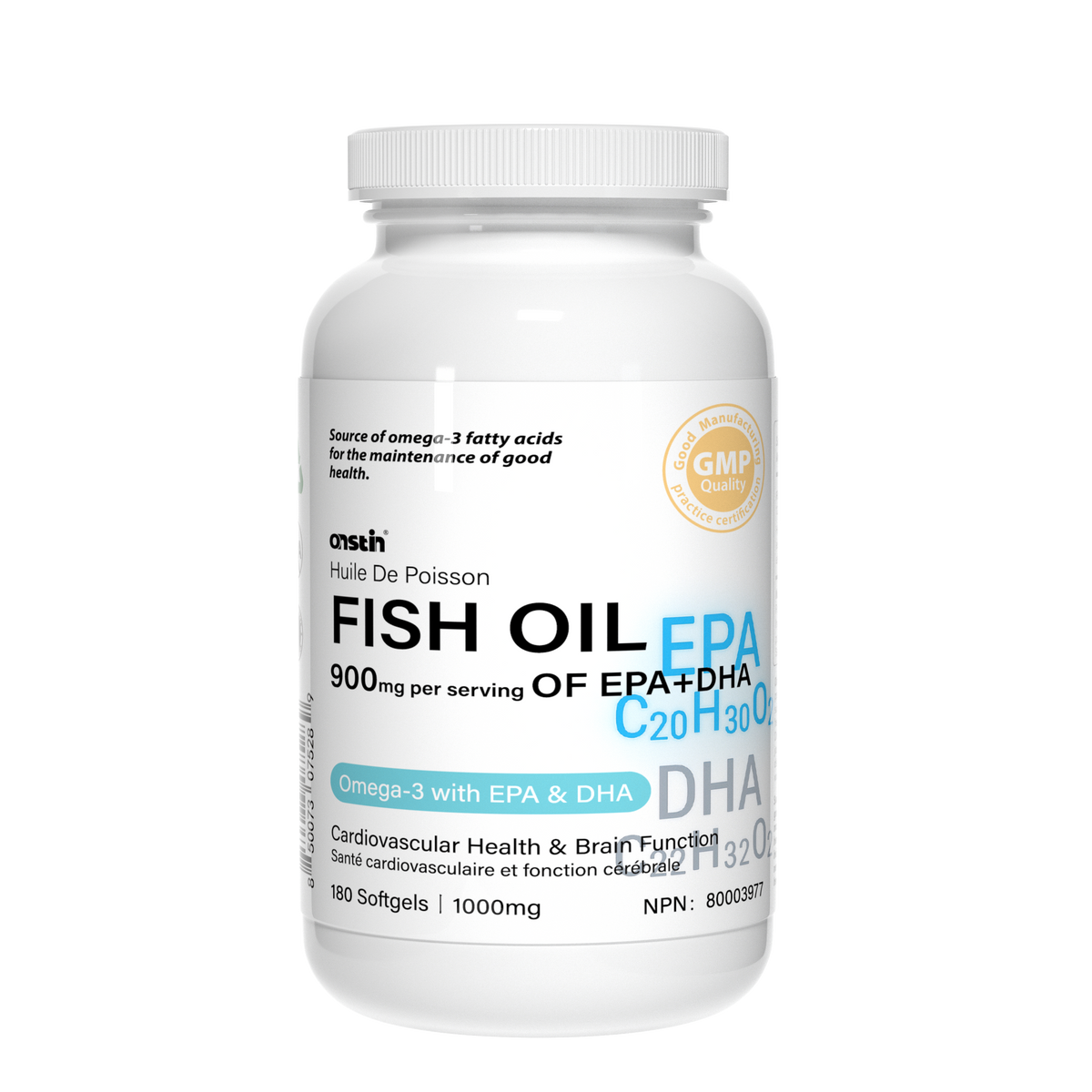
If you are looking for a clear, capsule-based omega-3 option, explore ONSTIN Fish Oil 1000mg 180s. Its label lists EPA and DHA, helping you make a more informed comparison as you build a balanced everyday wellness routine.


