
Shopping for a glucosamine supplement can feel surprisingly complicated. Bottles may look similar but list different serving sizes, ingredient combinations, and directions. A useful first step is to read the full label before comparing price or relying on front-label language.
This glucosamine supplement label guide explains what to look for in a practical, safety-minded way. It can help you compare products, understand what is actually listed per serving, and decide which questions to take to a qualified healthcare professional. It is general educational information, not medical advice or a substitute for personal care.
Start with the Supplement Facts panel
The Supplement Facts panel is the most useful place to begin. It shows the serving size, servings per container, and the amount of each listed dietary ingredient per serving. Do not assume that one capsule equals one serving: some products use two or more capsules as the suggested serving. Comparing the numbers on the same basis makes it easier to understand what each bottle is offering.
For a glucosamine supplement label, also note the form of glucosamine listed. Some labels identify a form such as glucosamine sulfate or glucosamine hydrochloride. A formula may also include ingredients such as chondroitin, methylsulfonylmethane (MSM), or an enzyme. These names describe what is in the product; they should not be treated as a guarantee of a particular result. Focus on whether the ingredients, amounts, and directions are clearly presented rather than choosing by the longest ingredient list.
Compare formula details, not just a large number
Next, check the suggested use. The label directions tell you how the manufacturer intends the product to be used, including timing and the maximum recommended daily amount. A larger-looking amount on the front of a bottle can be hard to compare when products have different serving sizes or different combinations of ingredients. Write down the daily serving, the capsule count, and the amount of each key ingredient if you are comparing more than one option.
Review the other ingredients, capsule material, and any allergen information as well. Glucosamine sources can vary, so people with allergies or dietary preferences should read the current product label closely. Look for storage guidance, a lot number, and an expiry or best-before date. These details are not exciting, but they are part of a thoughtful purchase. A clear label that you can understand is more useful than broad language that leaves important questions unanswered.

Use a glucosamine supplement label safety check
Natural products are not automatically appropriate for everyone. Before adding a glucosamine supplement, speak with a qualified healthcare professional if you are pregnant or breastfeeding, have a medical condition, are preparing for surgery, or use prescription or over-the-counter medicines. This is especially important if you take an anticoagulant such as warfarin, have allergies, or have questions about how a supplement fits with your individual care plan.
Once you choose a product, follow the package directions rather than creating a higher-dose routine. Pay attention to how the label defines one serving, and store the bottle as directed. If the formula, directions, or precaution statements change when you repurchase, pause and review the new label instead of assuming it is identical to the old one. Supplements are intended to add to a routine, not replace varied meals, movement, rest, or medical care when it is needed.
Choose an option that fits your routine
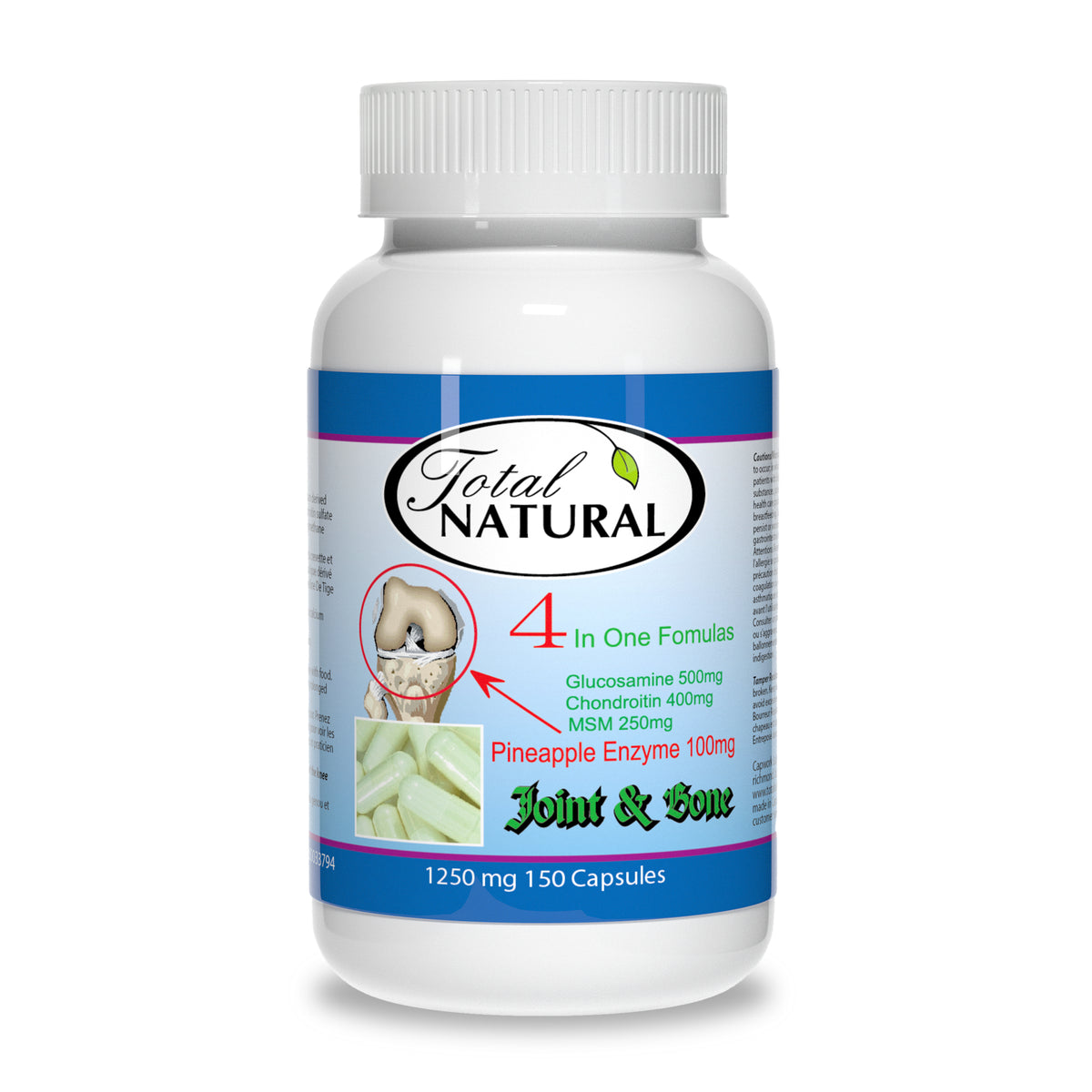
For adults looking for a multi-ingredient capsule format, explore Total Natural 4-in-1 GLS 150c. Read the current product label, serving directions, and complete ingredient list before deciding whether it matches your preferences. Keeping the selection process simple, informed, and label-led is a sensible way to make everyday supplement choices.


