
Pumpkin seed oil is familiar to many people as a culinary ingredient, but it also appears in softgel form for those who want a simple, label-directed routine. If you are comparing options, the most useful question is not whether a supplement can replace food. It is how a pumpkin seed oil supplement fits alongside a varied eating pattern, everyday habits, and your individual needs.
This practical label guide explains what pumpkin seed oil is, which details matter on a supplement label, and how to make a thoughtful choice without expecting one product to do everything. It is general educational information, not personal medical advice.
What pumpkin seed oil is
Pumpkin seed oil is pressed from the seeds of pumpkins, commonly from varieties in the Cucurbita family. In the kitchen, the oil is valued for its nutty character and rich colour, while whole pumpkin seeds add texture to salads, grain bowls, trail mixes, and baked dishes. The oil contains a mixture of naturally occurring fatty acids and other plant compounds, but the exact profile can vary with the seed source and processing method.
A softgel format is simply a convenient way to use the oil without measuring it at home. That convenience can be appealing for adults whose meals do not regularly include seeds or plant oils. Still, food remains the wider foundation: seeds, nuts, legumes, vegetables, fruit, whole grains, and enjoyable meals each contribute something a capsule cannot duplicate.
How to read a pumpkin seed oil supplement label
Start by looking past the front-label number. Check the serving size, the amount of pumpkin seed oil per serving, and the suggested directions. A large number on the bottle may refer to a single softgel, while the daily amount can depend on how many softgels the label recommends. Comparing products on a per-serving basis keeps the decision clear.
Next, read the full ingredient list. Look for the botanical name when available, the capsule ingredients, and any storage instructions. Oils are sensitive to heat and light, so a clear storage recommendation matters. Choose a product with a label you can understand, a routine you can realistically maintain, and directions that fit your day. If you have a food allergy, use prescription medicine, are pregnant or breastfeeding, or have a health condition, check with a qualified healthcare professional before adding a new supplement.
Build an everyday plant-oil routine
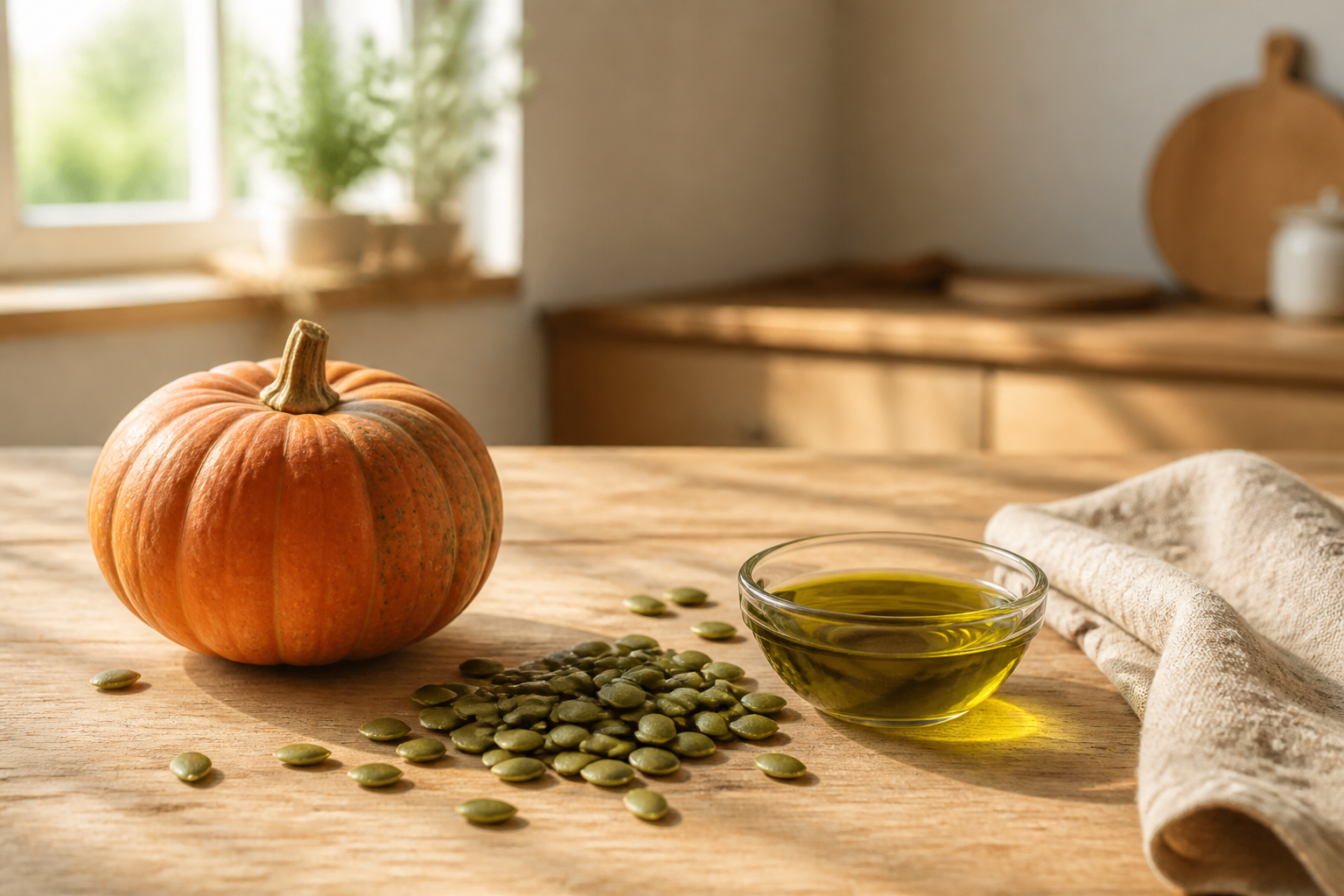
A sustainable routine does not need to be complicated. Keep a small bag of pumpkin seeds in the pantry for topping yogurt, soups, salads, or roasted vegetables. Use a favourite plant oil where it suits the flavour of a meal, and make room for a range of foods rather than relying on one ingredient. These small choices make a plant-forward pattern easier to enjoy over time.
If you choose a pumpkin seed oil supplement, follow the package directions and take it consistently only if it works for your routine. Many people find it easiest to keep supplements with a meal-time cue, such as breakfast or dinner. The goal is not perfection; it is a practical pattern that leaves room for food, movement, rest, and professional guidance when you need it.
Choosing a practical next step
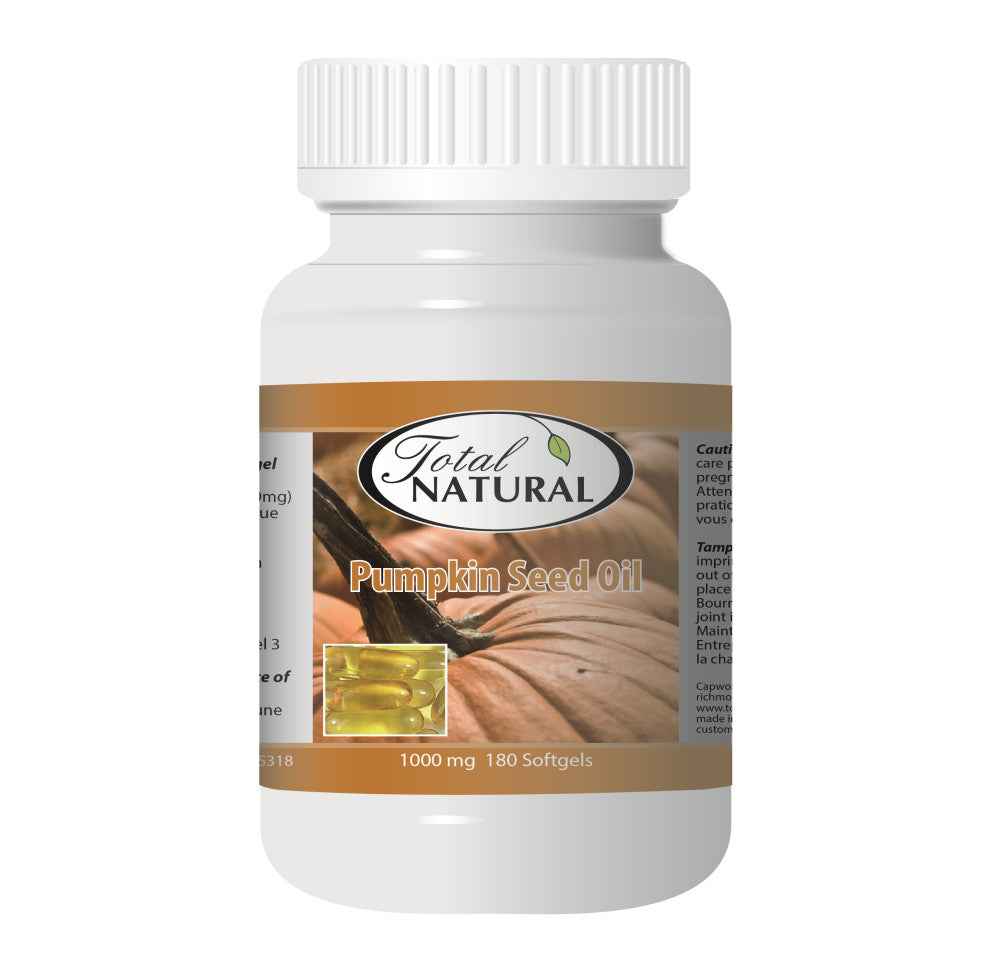
For adults looking for a capsule-based option, explore Total Natural Pumpkin Seed Oil 1000mg 180s. Its clear softgel format can make it easier to follow a label-directed routine while you continue to build balanced meals around the foods you enjoy.


